Precast & Prestressed
Precast & Prestressed Concrete Monitoring.
Monitor the bed, match cylinder curing and gather QC evidence for stripping and detensioning under your plant’s approved quality plan.

Monitor the bed, match cylinder curing and gather QC evidence for stripping and detensioning under your plant’s approved quality plan.
Connect three sources of evidence: bed measurements, cylinder tests and QC review.
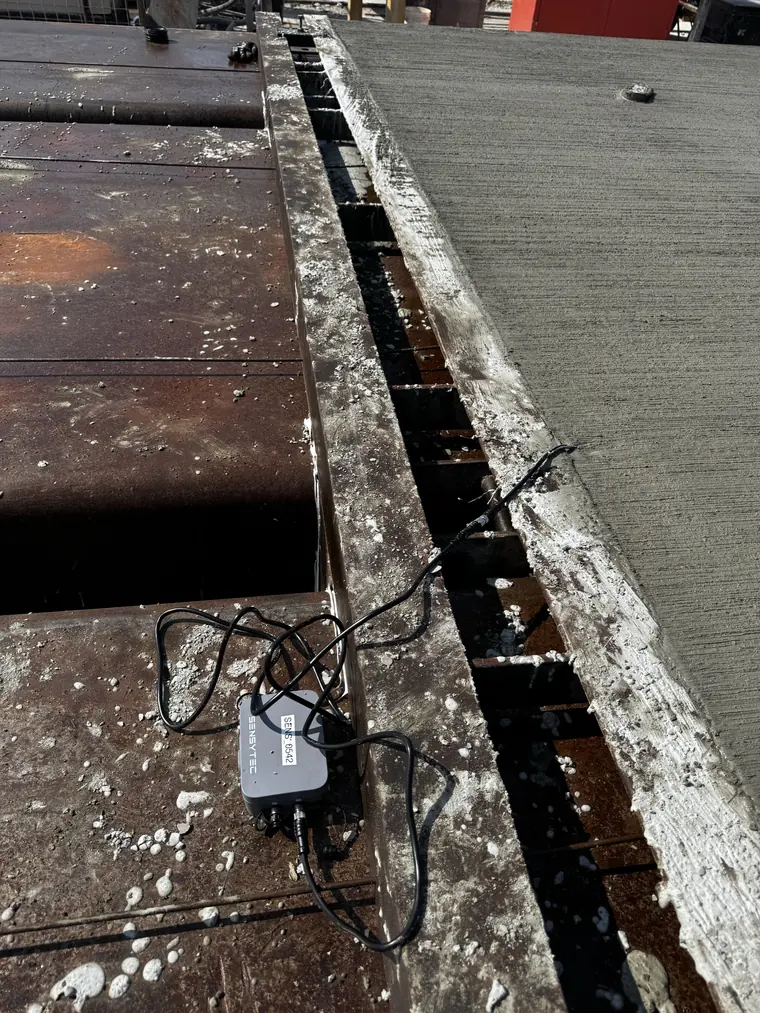 1. Measure in the concrete
Temperature and resistivity. Calibrate your mix to estimate strength.
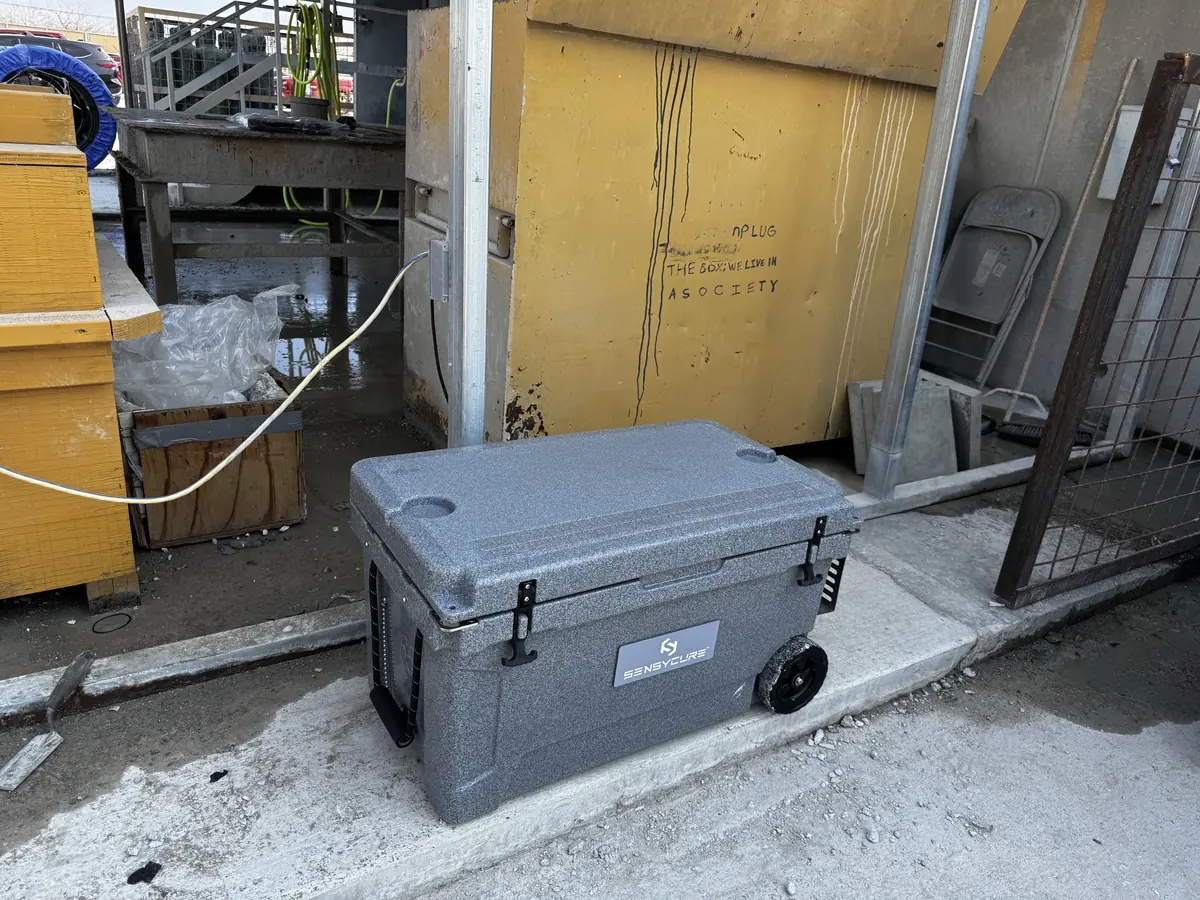 2. Match the cylinder cure
Follow the bed’s reference temperature in companion cylinders.
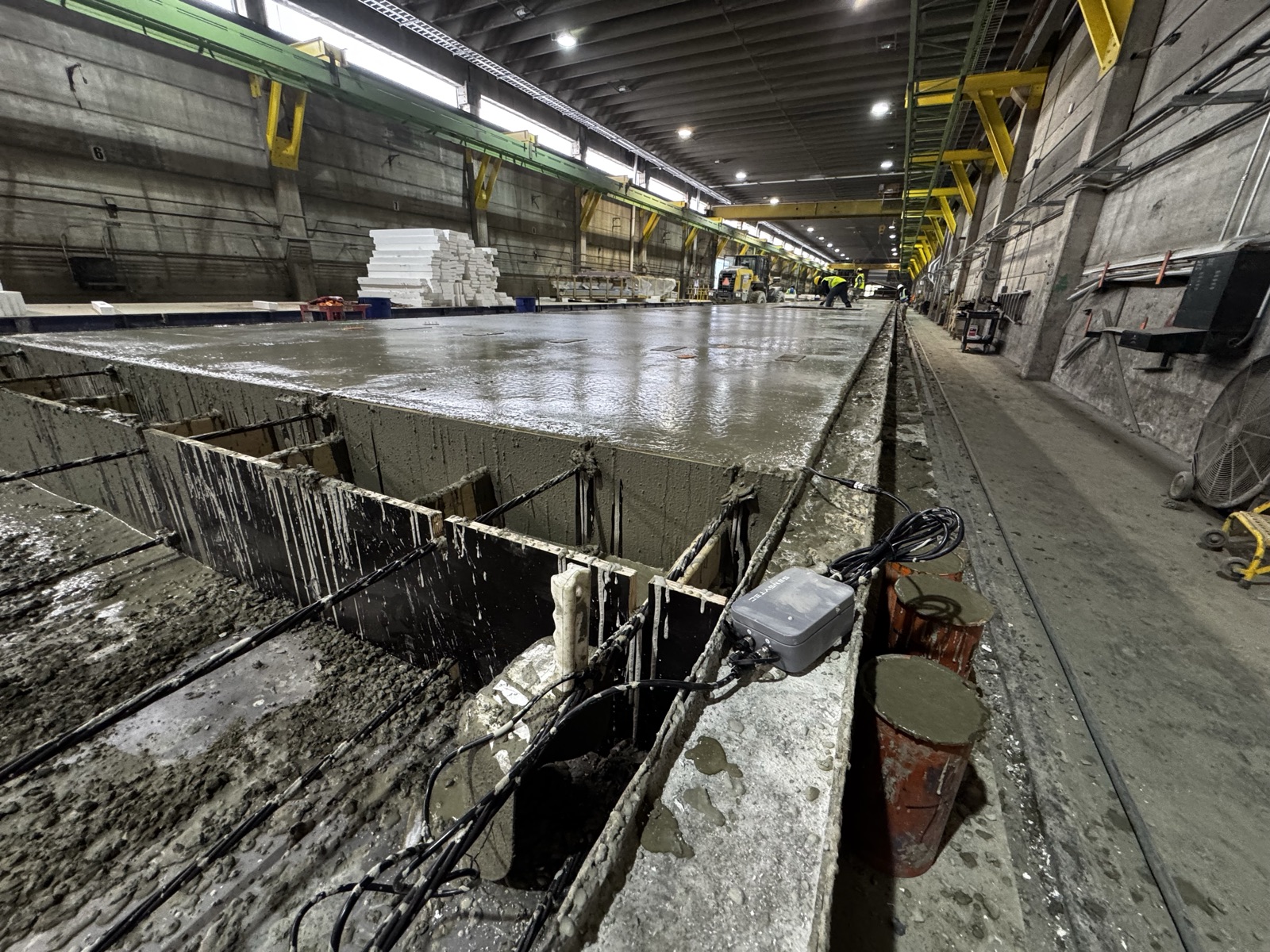 3. Review the evidence
Connect the pour, tests and exceptions for your QC review.
Illustrative sequence. Your QC lead authorizes release under the plant’s approved procedure.
In the February 17, 2026 NAPCO demo, the model flagged a 3,500 psi threshold at 7h 33m on one Double-T pour, ahead of the plant’s usual 10 to 11 hour cylinder schedule. Review the three break comparisons and NAPCO setup. On Day 2 of the SensyCure trial, the average gap from the bed was 0.79°F and the maximum was 5.4°F. Read the trial protocol and results. These are trial observations, not guaranteed results for every pour.
Every hour saved on form turnover is revenue gained. Sensytec gives you the data to run your plant at peak efficiency.
Track strength estimates from your calibrated mix to schedule verification and release review. Your QC lead confirms the required evidence before stripping.
Real-time data on every bed and every pour. Plan production schedules with confidence using actual cure data, not assumptions.
Automated, cloud-logged records for every pour. Generate compliance reports, maturity curves, and temperature histories instantly.
Use continuous data to time verification breaks. Retain acceptance cylinders and verification testing required by your quality plan and project specification.
A daily flow that matches how QC managers actually work the plant floor. Drawings, pre and post pour inspections, NCRs, batch and break logs, and the post-pour sticker workflow in one screen, tied to the pour record, exportable for the auditor. First-class checklist modes for PCI MNL-116, MNL-117, NPCA QCM-001, and state DOT plant certification programs (TxDOT, FDOT, Caltrans).
Bring your current schedule to the demo. Confirm the import format, required fields, and any ERP connection work before rollout.
Distinguishes cast drawings from construction drawings, and tracks revisions, so the crew always pours off the right sheet.
Post-pour QC sticker generation, scheduled recurring checks, and exception logging tied directly to the pour record.
PCI and NPCA inspectors see the trail they need. Records build as you work, not the week before the audit.
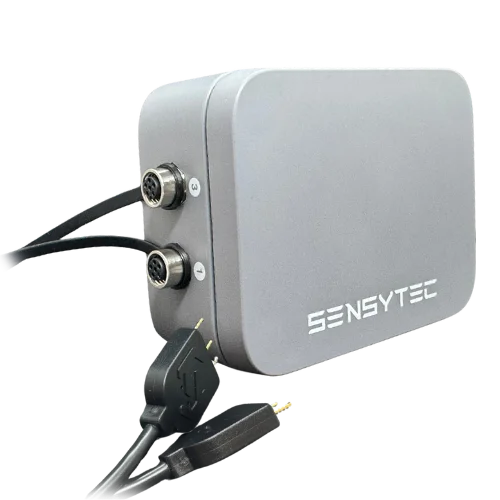
Monitor bed temperature and resistivity with probes selected for the element and a transmitter connected to SensyHub.
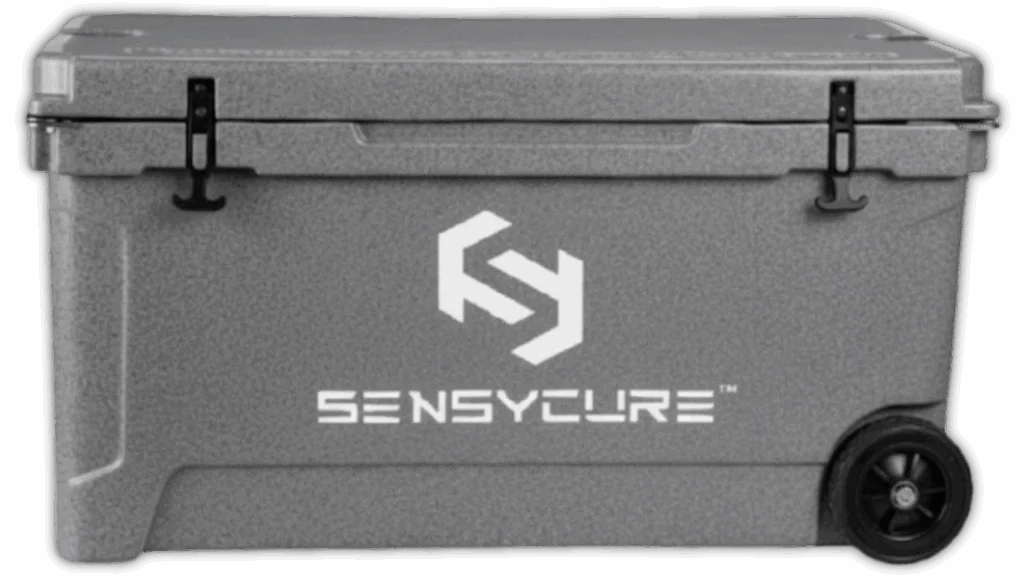
Match-cure chamber that follows the bed’s thermal profile in companion cylinders and records their cure history.
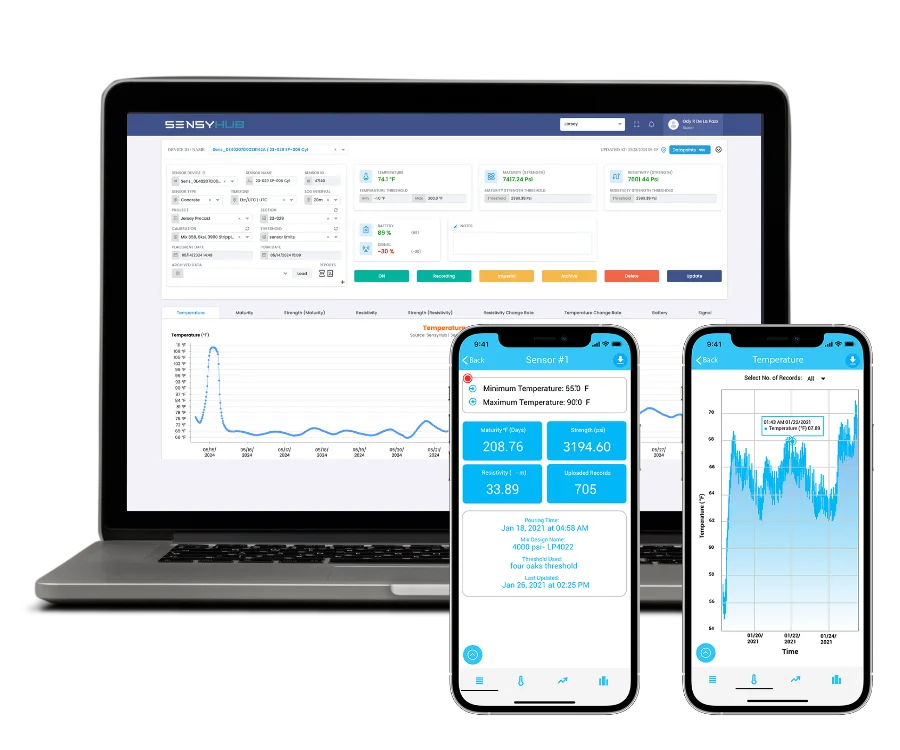
Monitor all sensors across your plant from one dashboard. AI analytics, alerts, and compliance reports.
The methods and decisions behind precast strength verification.
Sensors continuously log temperature, and a calibrated model estimates strength. This helps QC teams schedule verification before stripping or detensioning. Cycle improvement depends on the mix, curing conditions, test schedule, and release requirements. See the NAPCO demonstration with SensyCast and SensyCure.
Match curing follows the bed’s temperature history in companion cylinders to support release-strength evaluation under representative conditions. Reference placement, moisture retention, and temperature verification belong in the plant procedure. Review the two-day trial.
Verify the measurement method, calibration, and evidence required by the project. An ASTM reference or a software checklist mode does not establish DOT product approval or plant certification. Confirm release requirements with your QC lead and the project authority.
A quote depends on simultaneous beds and pours, sensors, probes, gateways, connectivity, calibration, software, training, and match-curing needs. Bring these details to scope the system. Payback depends on your plant’s actual cycles and costs.
Not automatically. Keep the acceptance and verification tests required by your specification and quality plan. Sensors provide continuous estimates for production decisions; changes to the testing program need the appropriate review.
Agree on measurement locations with the QC lead before the pour. The probe needs to represent the concrete of interest; transmitter and gateway locations need reliable communication and access. Validate placement, coverage, and each sensor’s bed and mix assignment during the trial.
Both major PCI plant-certification manuals: PCI MNL-116 for structural precast and bridge products, and PCI MNL-117 for architectural precast. Each is a first-class checklist mode in the SensyHub QC Module, driven by the plant profile. Plants certified to more than one manual can run them in parallel on the same site.
Yes. NPCA QCM-001 is a first-class checklist mode in the SensyHub QC Module. Plants producing utility, drainage, manholes, vaults, septic, or any other NPCA scope can run the daily flow in NPCA mode and produce QCM-001 audit documentation. Multi-plant operations can mix PCI, NPCA, and DOT modes per site.
Yes. State DOT certification is a first-class mode in the SensyHub QC Module. The module supports TxDOT, FDOT, Caltrans, and other AASHTO-aligned state DOT plant certification programs. Plants that ship to a single DOT or to multiple DOTs can configure each program independently and run them in parallel where required.
Bring your bed count, mix designs, release criteria, and current test schedule. We can scope a plant trial and compare the records against your existing process.