Measure temperature and resistivity inside the concrete. Estimate strength with a calibrated mix and compare with cylinder breaks before release review.
SensyCast combines patented dual-measurement technology with rugged hardware and cloud connectivity to deliver actionable data from every pour.
Measures temperature and electrical resistivity together so the plant can review thermal history alongside changes in hydration behavior.
Estimate strength with a maturity model calibrated for your mix. The NAPCO demo documents three cylinder comparisons with prediction differences of −6.9%, −9.0%, and +2.7%. Review the data and conditions.
LoRa wireless connectivity is specified up to 1 mile (1.6 km) line-of-sight. Check gateway placement and coverage around forms, equipment, and buildings during the plant trial.
A rechargeable transmitter and replaceable probes let you plan equipment use across pours. Confirm probe recovery, replacement needs, and battery service for your production method.
Review mix calibration, verification procedures, and applicable method references with the QC lead. Export data to document the review.
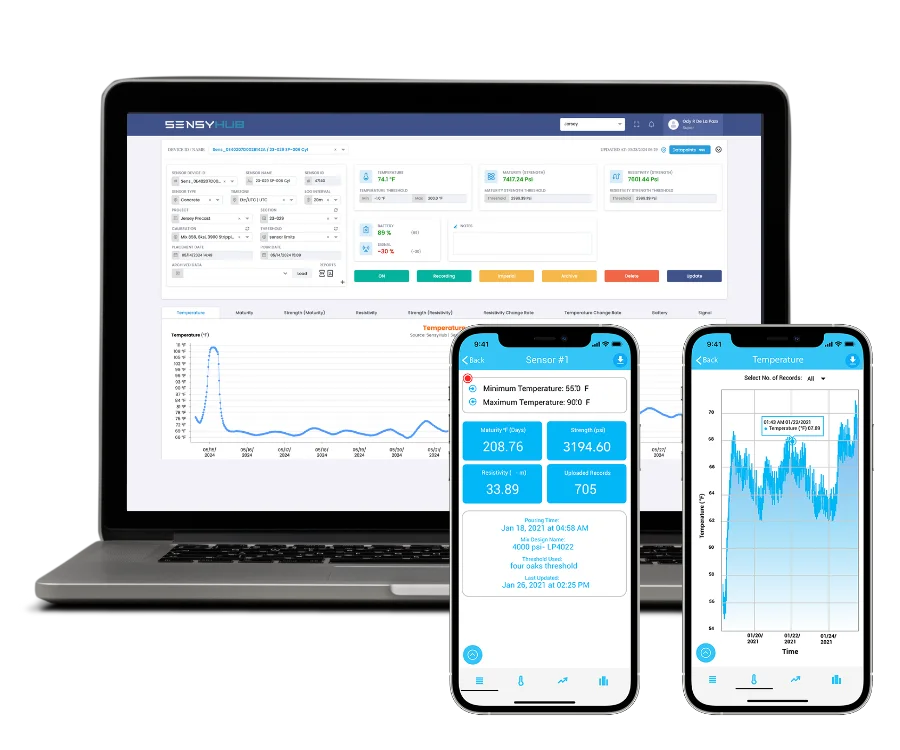
All data streams to SensyHub, our cloud platform with real-time dashboards, AI analytics, smart alerts, and open APIs for BIM integration.
Every component is engineered for harsh field conditions and long-term reusability.
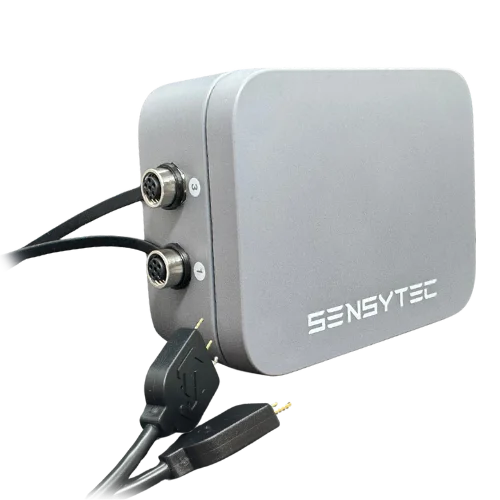
LoRa radio with 1-mile range. Rechargeable lithium battery, IP67 waterproof housing.
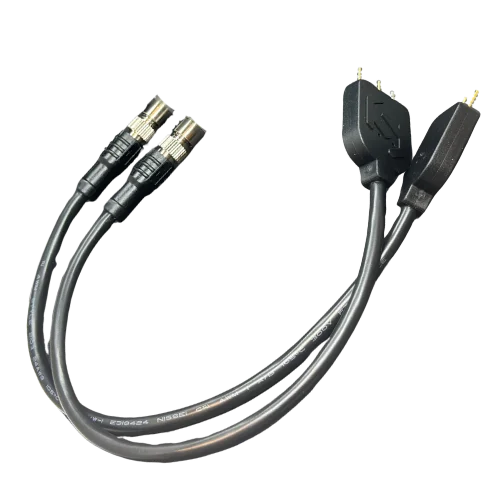
High-accuracy thermocouple probe. Embeds directly in fresh concrete for precise readings.
Patented electrodes measure electrical resistivity to track changes during hydration.
Field-ready configuration with transmitter, probes, and mounting hardware.
SensyCast probes are replaceable and available in multiple depths to match the measurement location. Confirm which components can be recovered from your element and which need replacement.
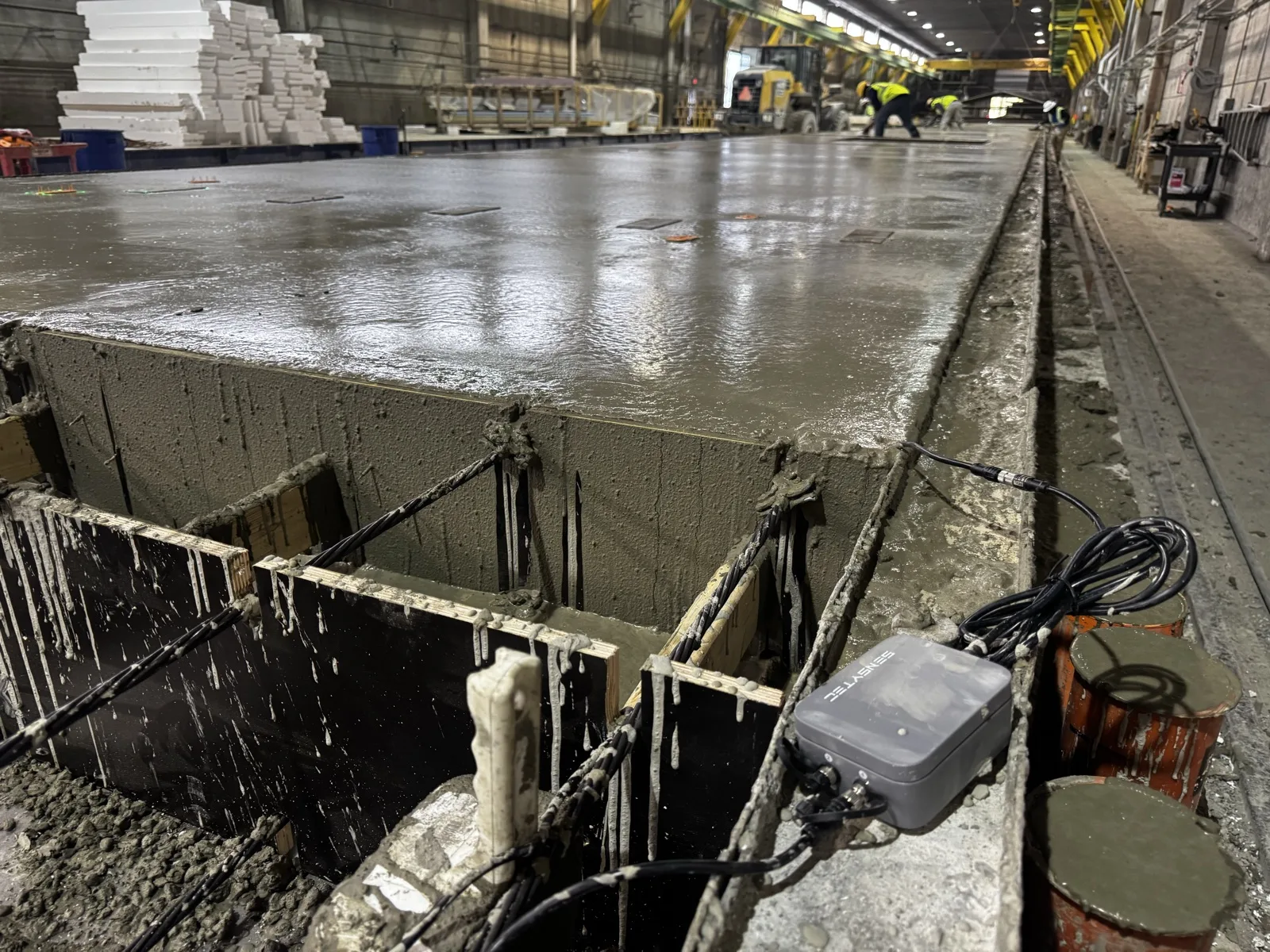
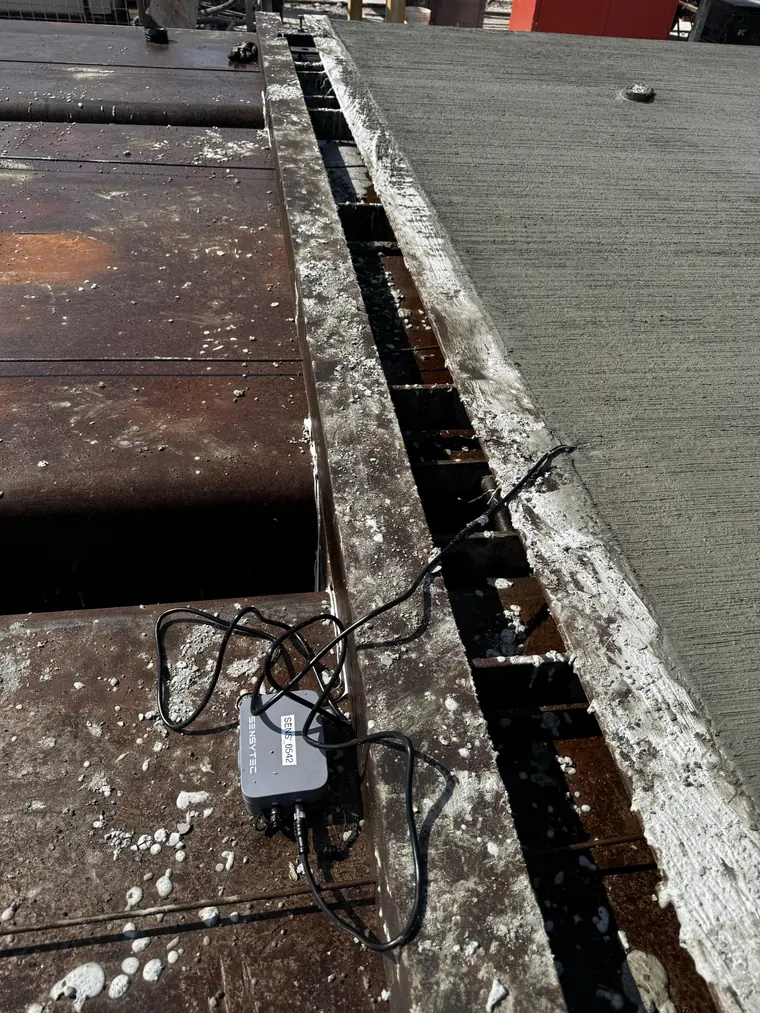
Install the probe at the agreed measurement location and position the transmitter for access and coverage. SensyCast sends readings through the gateway to SensyHub. Check installation and removal steps with your actual forms during the trial.
All SensyCast data streams directly to SensyHub, accessible from any device, anywhere. AI-powered insights help you make faster, smarter decisions.

A useful trial compares estimated strength with your plant’s test results.
Confirm the mix, probes, placement and coverage.
Compare estimates with tests of your own mix.
Agree on criteria and responsibilities with your QC team.
NAPCO’s February 17, 2026 demonstration compared three calibration breaks from one Double-T pour. Those results describe prediction differences against breaks, not instrument accuracy. Read the NAPCO case study.
FREQUENTLY ASKED QUESTIONS
SensyCast is a Sensytec wireless sensor that measures temperature and electrical resistivity. SensyHub uses the temperature history and a calibrated maturity relationship to estimate strength. Performance depends on the mix, calibration, and curing conditions. Review the NAPCO demonstration results.
Electrical resistivity measures concrete’s opposition to electrical current. Changes provide another signal of hydration alongside temperature. Interpreting strength, W/C ratio, or durability requires mix-specific evaluation and validation for that use.
The maturity method requires a strength-maturity relationship for the mix and verification checks. Review your project’s procedures and requirements with the QC lead. Exportable records support documentation; they do not confer DOT approval or plant certification.
SensyCast uses LoRa with a specified range of up to 1 mile (1.6 km) line-of-sight. Forms, buildings, and equipment can affect coverage. Verify gateway placement and the connection to SensyHub during the trial.
SensyCast uses a rechargeable battery with USB-C charging. Confirm the expected charging interval, service life, and maintenance for your plant’s logging frequency and operating conditions.
Share your mix, bed layout, target release strength, and current break schedule so we can scope calibration, coverage, and a side-by-side plant trial.