General Contractors
Field Decisions. Data-Driven.
Replace guesswork with real-time concrete strength data. Know when to strip forms, open roads, and pour the next stage — with confidence.
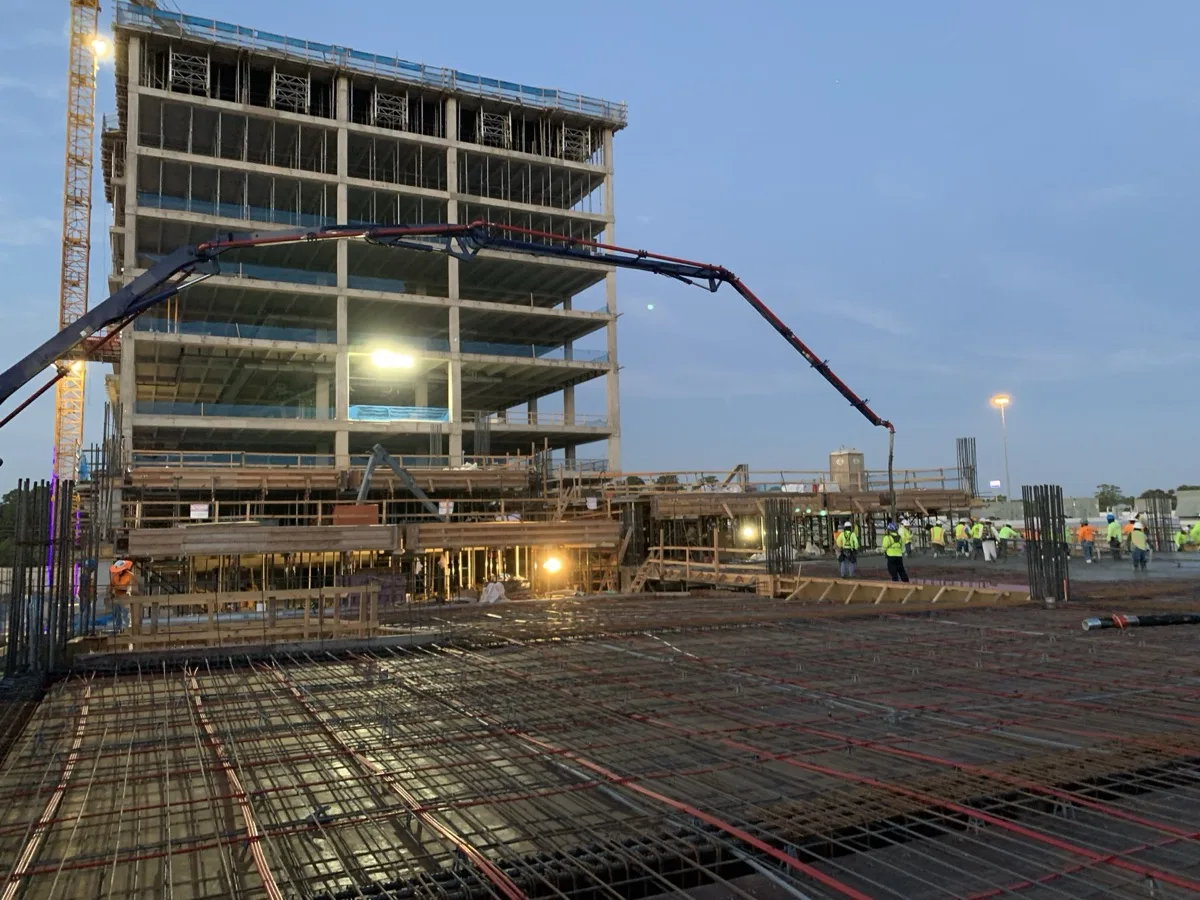
Replace guesswork with real-time concrete strength data. Know when to strip forms, open roads, and pour the next stage — with confidence.
Every day saved on a project schedule adds value. Sensytec puts objective data in your hands so you can move with confidence.
Know the exact moment concrete reaches target strength. Strip forms and pour next stages sooner, cutting days off your schedule.
Objective, ASTM-compliant data replaces subjective judgment. Protect your team and your project from premature loading failures.
Reduce or eliminate cylinder break testing. Fewer lab trips, fewer broken cylinders, and faster results than traditional methods.
Automatic cloud-logged records for every pour. Generate PDF reports for owners, engineers, and inspectors on demand.
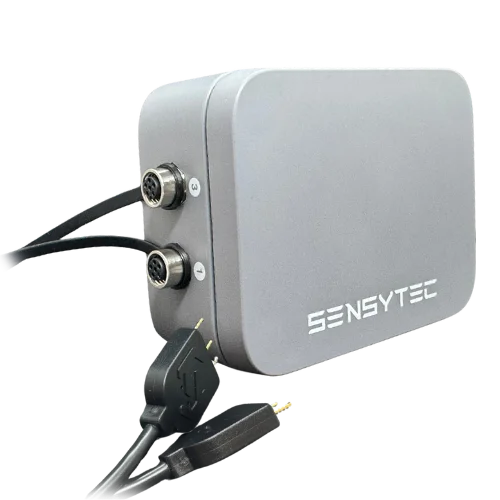
Embed directly in the pour. Real-time temperature and resistivity data with 1-mile wireless range. Reusable 3 years.
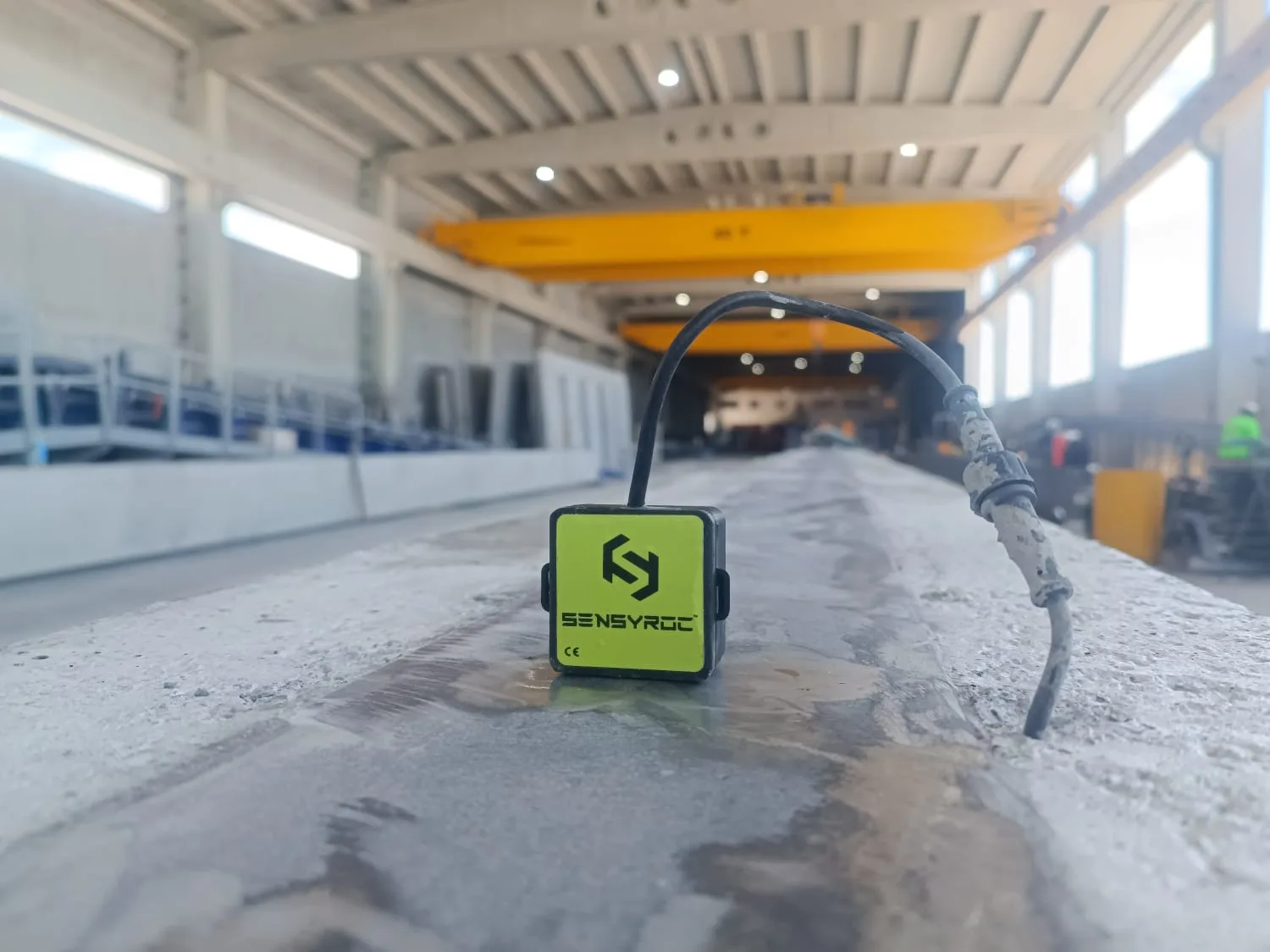
Rugged mobile sensor with free iOS/Android app. Perfect for field teams who need quick, portable monitoring.
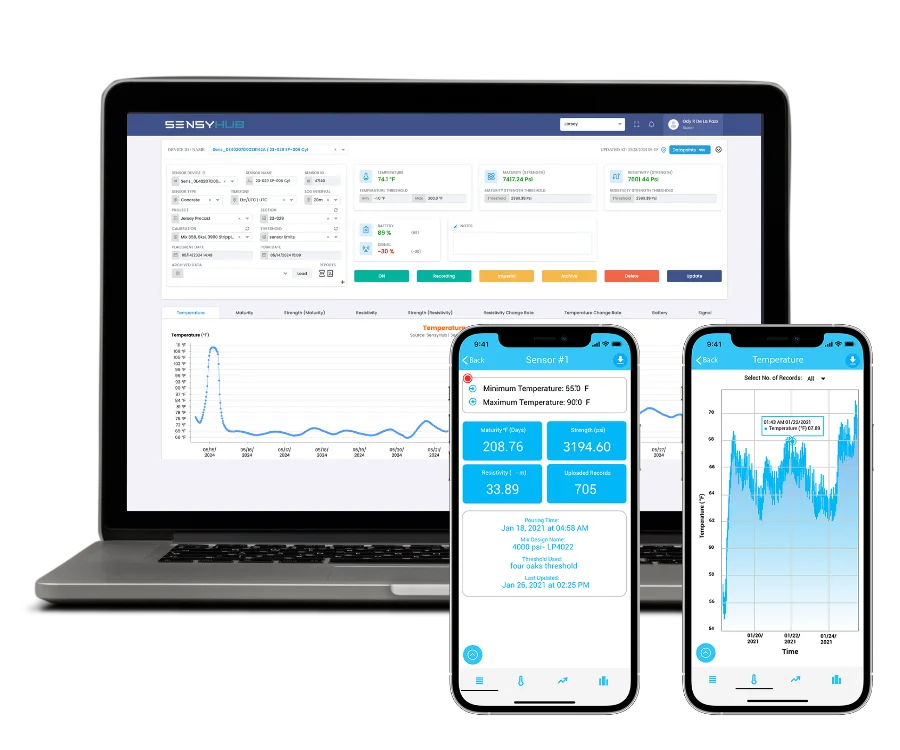
Monitor all your job sites from one dashboard. Real-time alerts, predictive analytics, and compliance reports.
Rental is the small line on a formwork bill. Crew and crane are the bill. Every extra day forms stay up pins the two resources that should already be building your next pour.
Published engineering worked example: rented steel gang forms, 50 ft by 24 ft wall, four pours. Labor and crane are about 73% of the cost. Rental is 17%.
ACI 347 treats stripping time as a function of in-place strength, not elapsed hours, and names in-place testing as the preferred way to determine it. A sensor in the pour tells you the hour you have earned the right to strip.
Taking that same worked example from 4 pours to 40 cut the all-in cost per square foot of contact area by roughly 44%. Faster cycles pull more reuses out of the same form package.
A field cylinder only reports what the concrete was worth when somebody drove it to a lab and broke it. The structure itself knew hours earlier, and it is the structure you are stripping.
HVJ Associates instrumented a cast-in-place outfall wall at the UTRWD Doe Branch project, calibrated to the mix per ASTM C1074.
The wall was ready to strip at 5.5 hours. The forms, the crew and the crane stayed committed for another 42.5 hours waiting on data the wall had already produced.
Sensors deliver continuous in-place strength data so crews can strip forms, post-tension, or open lanes the moment the concrete actually reaches the spec strength rather than waiting on a 7-day cylinder break. On a multi-floor commercial tower, that compresses every floor cycle by 12-24 hours.
Yes. Mass pours need continuous core temperature monitoring to control thermal cracking. Sensytec sensors track peak temperature and the core-to-surface differential against the project spec (typically 158°F peak, 35°F differential), with threshold alerts before either is exceeded.
They automate the temperature record. Hot weather (ACI 305) and cold weather (ACI 306) compliance plans require continuous temperature documentation. SensyHub exports the full record as a PDF or CSV for the QC binder, replacing handwritten logs.
SensyCast sensors transmit up to a mile to a SensyHub gateway. The gateway uplinks via cellular, Wi-Fi, or stored-and-forwarded over Ethernet when an uplink becomes available. Many DOT and infrastructure projects run with intermittent connectivity.
Across deployments at Skanska, Webber, and others, in-place sensor strength has correlated within 98%+ of cylinder break tests when the mix design has been properly calibrated. The maturity calibration is a one-time lab procedure performed on the project mix.
Yes. SensyHub supports multiple users per project with view-only or edit roles. The GC, structural engineer, owner's rep, and concrete subcontractor can all see the live curve and receive threshold alerts on their phones.
Get a personalized demo and see how Sensytec fits your next project.