Real-time concrete monitoring is the continuous measurement of in-place concrete temperature, maturity, and electrical resistivity using embedded wireless sensors, with data streamed to engineers and QC managers as the pour cures — so decisions about form removal, post-tension, and load-bearing happen the moment the concrete is ready, not on a schedule.
- Real-time concrete monitoring measures actual in-place strength continuously, replacing many cylinder breaks
- Sensytec is the only sensor measuring temperature AND electrical resistivity — two independent strength signals
- ASTM C1074 compliant maturity method, AASHTO T-358 resistivity method, ASTM C1876
- 1-mile wireless range, 3-year rechargeable battery, <15-second control window for SensyCure match-cure
- Field-validated 98%+ correlation with cylinder break tests across Skanska, Texas DOT, Houston Airport, and 40+ other deployments
What Is Real-Time Concrete Monitoring?
Real-time concrete monitoring uses wireless sensors embedded directly in fresh concrete to measure what is happening inside the pour from the moment it is placed. Instead of pulling cylinders, transporting them to a lab, and waiting 24 to 28 days for break tests, the sensor streams temperature and strength estimates continuously to a cloud dashboard. Engineers, contractors, and plant managers see the actual concrete data on their phone or laptop and make decisions on the curve, not on a guess.
The shift is from reactive verification to proactive decision-making. A precast producer cuts strands when the bed actually reaches transfer strength. A general contractor strips forms the morning the slab hits 75% f'c. A DOT inspector opens a lane the moment the patch passes spec. Every decision is backed by data from the structural element itself.
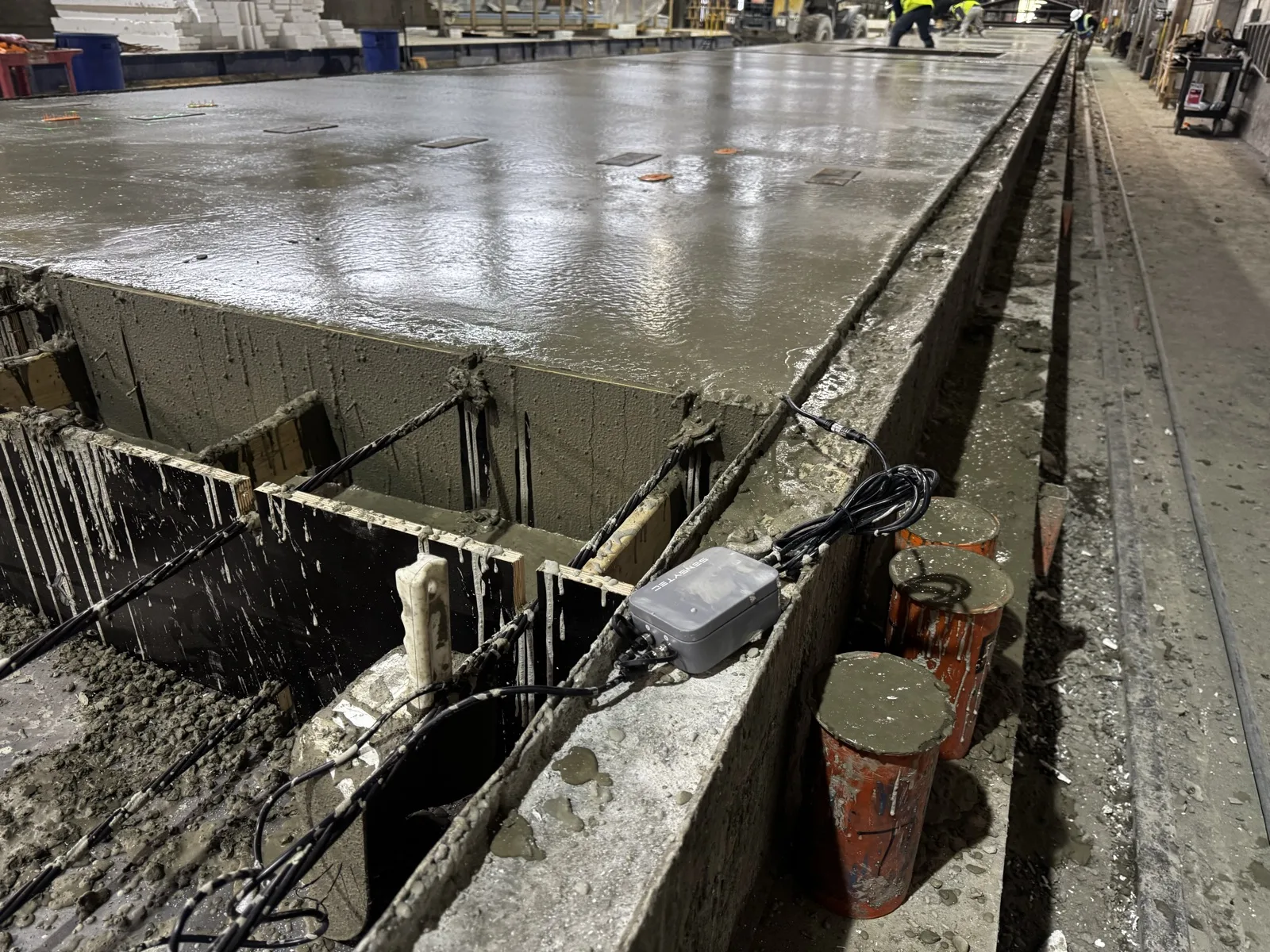
SensyCast wireless sensor on an active prestressed bed with companion test cylinders.
How Wireless Concrete Sensors Work
A real-time concrete monitoring system has three parts: the in-place sensor, a wireless link, and a cloud data platform.
1. The sensor measures from inside the concrete
Sensytec's SensyCast sensor is tied to rebar or formwork before the pour. Once concrete is placed, the sensor reads two physical properties continuously: temperature, which drives the maturity calculation per ASTM C1074, and electrical resistivity, which correlates to hydration progress and pore-structure development per AASHTO T-358 and ASTM C1876. Most sensors on the market measure only temperature. Adding resistivity gives a second independent strength signal that catches situations where temperature alone is misleading — cold pours, admixture-modified mixes, or unusual curing conditions.
2. Wireless transmission keeps data flowing
SensyCast sends readings up to one mile to a SensyHub gateway over a long-range, low-power wireless protocol. No internet connection at the slab. No technician trips to the bed. The sensor's three-year rechargeable battery covers most cure windows on a single charge, and the gateway forwards data to the cloud over cellular or Wi-Fi.
3. The cloud platform turns data into decisions
SensyHub ingests every reading, calculates real-time strength using the calibrated maturity equation for that mix design, and shows a live curve to anyone with the project on their dashboard. Notifications fire when the concrete crosses thresholds for form removal, post-tensioning, traffic opening, or detensioning. Reports export to PDF or CSV for QC documentation and DOT submittals.
Standards: ASTM C1074, AASHTO T-358, ASTM C1876
Real-time concrete monitoring is built on standards that have been accepted by every major DOT and engineering authority in North America.
- ASTM C1074 defines the maturity method — how to convert a concrete temperature history into an estimated in-place strength using either the Nurse-Saul time-temperature factor or the Arrhenius equivalent age. A mix design must be characterized once with companion cylinders to build the maturity-strength curve, then sensors can substitute for many subsequent cylinder breaks.
- AASHTO T-358 covers the surface resistivity method, used widely by state DOTs for chloride permeability and durability indexing. Resistivity readings from inside the pour add early-age hydration intelligence the maturity method cannot capture alone.
- ASTM C1876 standardizes bulk electrical resistivity testing of cylindrical concrete specimens, the underlying physics SensyCast applies inside the pour.
Compliance matters because it removes the question every QC manager and DOT engineer asks: is this acceptable for our spec? With sensors that follow the standards, the answer is yes.
Where Real-Time Concrete Monitoring Pays Off
Precast and prestressed concrete
Production cycle time is everything for a precast plant. The faster a bed can be cut and stripped, the more elements run that day. Real-time monitoring replaces conservative time-based release rules with data-driven release-strength decisions, often unlocking 1 to 4 additional cycles per bed per week. The SensyCure match-cure trial showed sensors tracking the bed within an average of 0.79°F while a legacy match-cure system over-cured cylinders by up to 27°F — meaning release decisions made on those cylinders were potentially based on overstated strength.
General contractors and infrastructure
On a 17-story commercial tower, every floor cycle saved is a million dollars in schedule. Sensytec sensors at Skanska's 17xM tower in Washington DC let the team strip forms based on actual slab strength rather than waiting for a 7-day cylinder break. On runway repairs at Houston Bush Intercontinental, the same data drove faster lane reopening with full DOT documentation. Mass pours, post-tensioned slabs, and bridge decks all benefit from continuous in-place strength data.
Advanced materials and R&D
Admixture and material developers need fine-grained cure data to validate new mixes. Tremco used Sensytec sensors for waterproofing R&D, and DPH Materials uses them for advanced precast materials development. The combination of temperature and resistivity makes Sensytec especially useful for sustainability research where conventional maturity-only monitoring misses early hydration anomalies.
What Real-Time Monitoring Replaces
| Traditional Method | Real-Time Monitoring |
|---|---|
| Cylinder break tests at 1, 3, 7, 28 days | Continuous strength curve from hour 0 |
| Wait 24-72 hrs for lab results | Live data on phone or laptop |
| Manual logging, paper QC reports | Auto-generated PDF / CSV exports |
| Conservative time-based form removal | Strength-based form removal at actual f'c |
| Cylinder cured next to the slab (mismatch risk) | Sensor inside the actual structural concrete |
Run your own numbers in our concrete monitoring ROI calculator — most projects pay back the sensor investment within the first pour cycle.
Choose the Right Sensytec Product
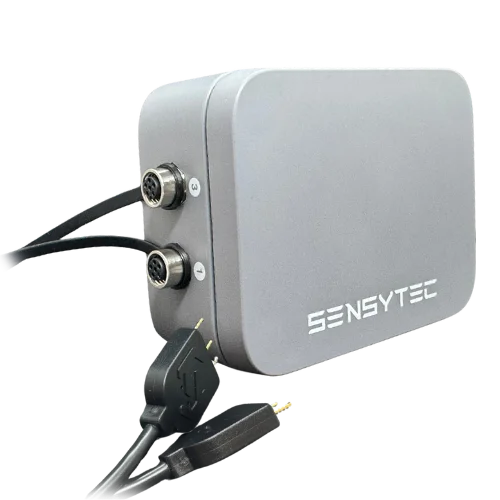
SensyCast™
Wireless concrete sensor measuring temperature and electrical resistivity. 1-mile range, 3-year battery.
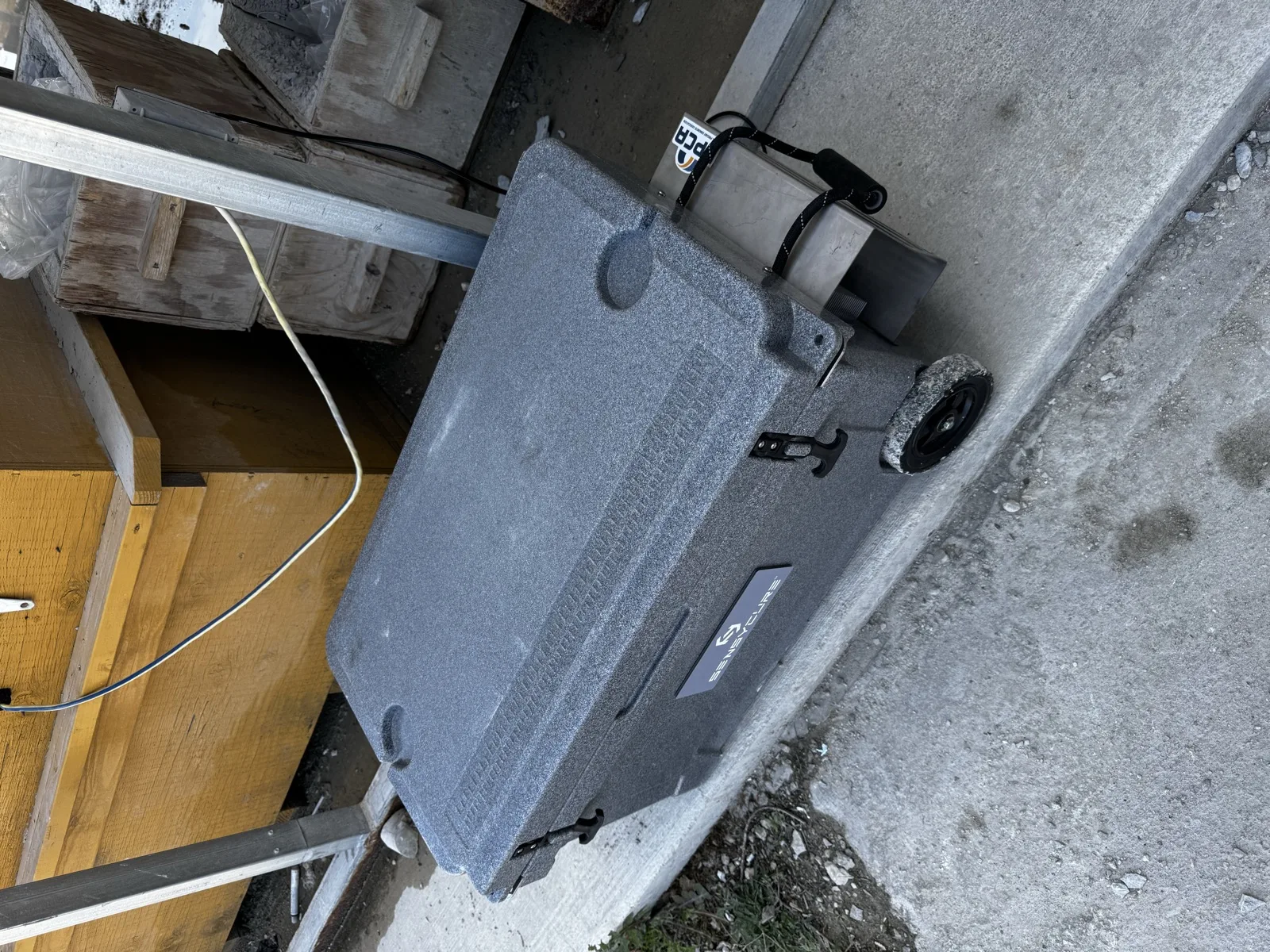
SensyCure™
Match-cure system for precast and prestressed. Replicates bed temperature on companion cylinders for accurate release decisions.
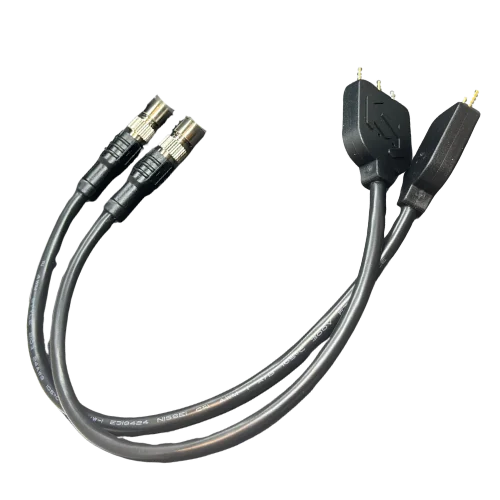
SensyRoc™ II
Portable wireless concrete sensor for mobile crews, DOT inspections, and short-duration pours.
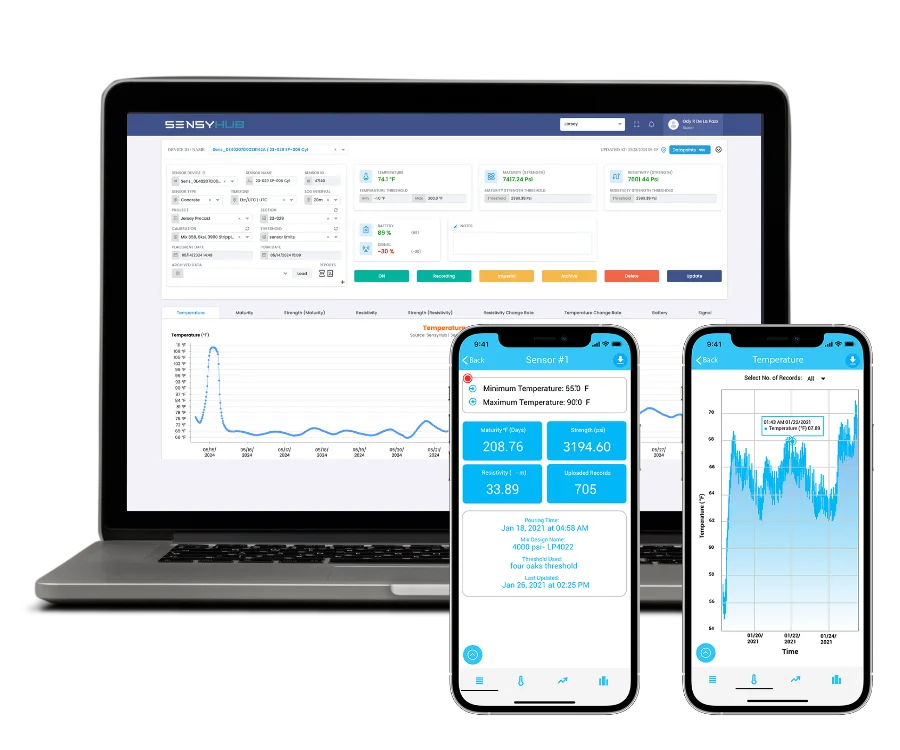
SensyHub™
Cloud data platform for live curves, threshold alerts, and exportable QC documentation.
Frequently Asked Questions
What is real-time concrete monitoring?
Real-time concrete monitoring is the use of wireless sensors embedded in fresh concrete to continuously measure temperature, maturity, and strength as the concrete cures. The data streams to a cloud dashboard where engineers and contractors make decisions like form removal, post-tensioning, or load application based on actual in-place strength rather than waiting for cylinder break tests.
How does a wireless concrete sensor measure strength?
Wireless sensors measure temperature inside the pour and apply the maturity method (ASTM C1074) to convert that temperature history into an estimated compressive strength. Sensytec sensors also measure electrical resistivity, which provides a second independent strength signal and improves accuracy beyond temperature alone. Field validation across 47 deployments shows 98%+ correlation with cylinder break tests.
What is ASTM C1074?
ASTM C1074 is the standard practice for estimating concrete strength using the maturity method. It defines two equations (Nurse-Saul and Arrhenius) that relate concrete temperature history to in-place strength after a calibration mix design has been characterized in the lab. Sensors that comply with C1074 can replace many of the cylinder breaks traditionally used to verify strength on the jobsite.
How accurate are wireless concrete sensors compared to cylinder testing?
Sensytec sensors have demonstrated 98%+ correlation with standard cylinder break tests across deployments at Skanska, Webber/Texas DOT, Houston Bush Airport, and others. Accuracy depends on a proper mix-design calibration, sensor placement representative of the structural element, and the use of both temperature and resistivity signals where available.
What range and battery life do Sensytec sensors offer?
SensyCast wireless sensors transmit up to one mile (1.6 km) line-of-sight to the SensyHub gateway and run for three years on a single rechargeable battery. SensyRoc is a portable variant designed for mobile crews and DOT inspections. Both deliver continuous readings through the entire cure window without manual intervention.
Which industries use real-time concrete monitoring?
Three primary use cases: precast and prestressed plants for release-strength decisions, general contractors for form removal and post-tensioning timing on commercial buildings and infrastructure, and advanced materials groups for R&D and 3D-printing validation.
Does real-time monitoring replace cylinder break tests?
It reduces the number of cylinders required and replaces many strength-decision breaks, but most contracts still require periodic acceptance cylinders for compliance. The bigger savings come from accelerated schedule decisions: removing forms a day earlier, opening lanes sooner, or detensioning a prestress bed at the actual strength rather than a conservative cylinder-derived estimate.
How does the SensyCure match-cure system work?
SensyCure pairs an in-place SensyCast sensor with a controlled curing chamber. The chamber replicates the bed temperature on a sealed test cylinder in real time, so the cylinder cures at the same rate as the actual structural element. When the cylinder is broken, its strength represents the bed at that instant. This is the gold standard for prestress release decisions where temperature mismatch can cause early or late detensioning.
Ready to monitor your concrete in real time?
Talk to our team about a sensor pilot for your next pour, plant, or project.
Request a Demo