- SensyCure tracked the bed within 0.69–0.79°F average gap across two days of testing
- The legacy heated-mold system ran 6.8°F above the bed on average, spiking 27.4°F above at peak
- SensyCure maturity match: 99–101%. Legacy system: 108.4% (inflated by over-curing)
- Legacy break results looked strong (3,792 PSI) but reflected over-cured cylinders, not real bed concrete
- Two independent SensyCast probes on the bed tracked within 0.2°F , confirming the reference was accurate
Why This Trial
A precast producer wanted to evaluate SensyCure against their existing match-cure system , a clamshell heated-mold setup they'd used for years , on an insulated wall panel pour in cold-weather conditions. The release requirement was 3,500 PSI after a 12-hour overnight cure, with ambient temperatures dropping from 43°F to 28°F. The question: which system produces a cylinder that actually represents what's happening on the bed?
Over two nights, SensyCure and the legacy system ran cylinders from the same pour in parallel. The legacy system was instrumented with Sensytec probes so both systems could be measured against a common bed reference.
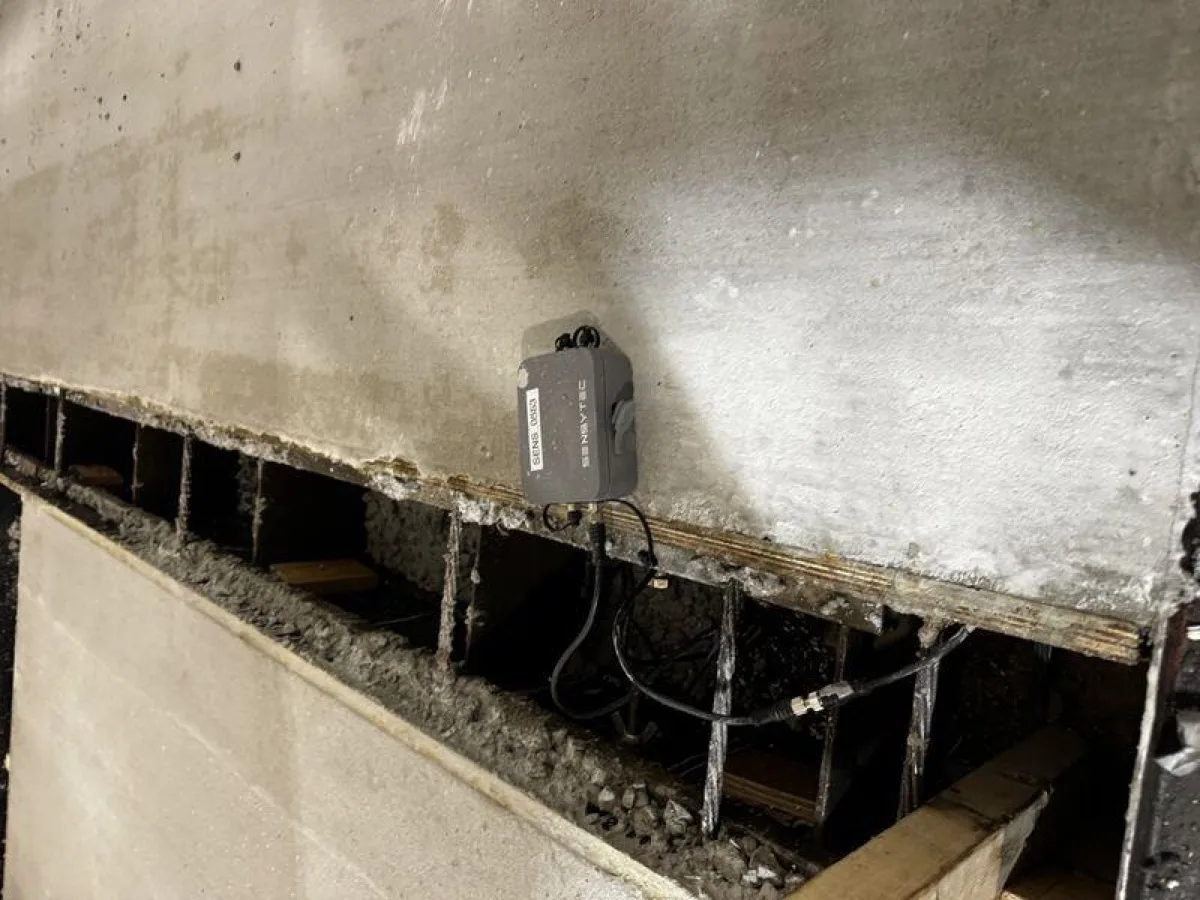
SensyCast data logger on the prestressed bed with a probe embedded in the top pour.
Day 1: SensyCure Accuracy Validated
On Day 1, SensyCure was put against the bed reference over a full 12-hour overnight cure. The control cylinder inside the SensyCure chamber tracked the bed temperature almost exactly through every phase: the slow dormant period, the steep exothermic ramp peaking at 5.4°F/hr, the plateau at peak, and the cool-down.
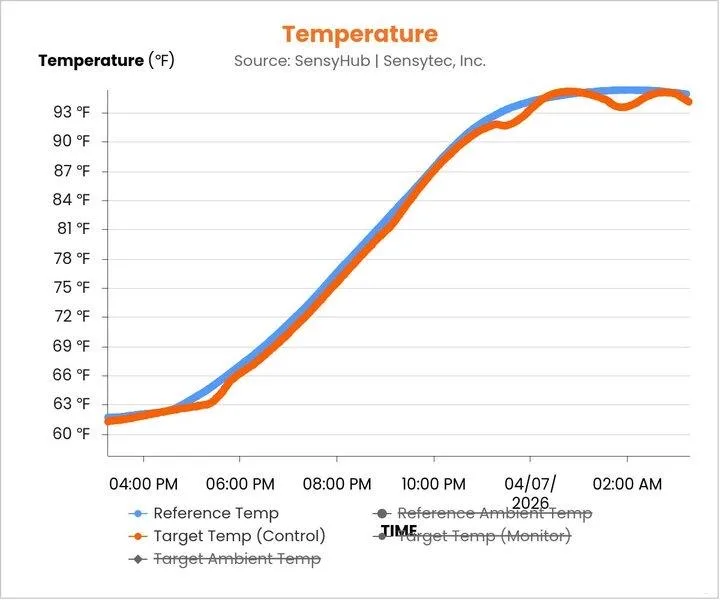
Full 12-hour profile. Reference (blue) vs SensyCure cylinder (orange). Source: SensyHub.
Day 1 confirmed the SensyCure system does what it claims: it replicates the bed's thermal profile inside the curing chamber with tight fidelity. Both the SensyCure and the legacy system cylinders passed the 3,500 PSI release threshold. But Day 1 wasn't a true head-to-head , the probes for each system were in different spots on the bed, so the two systems weren't matched against the same reference. That was the focus for Day 2.
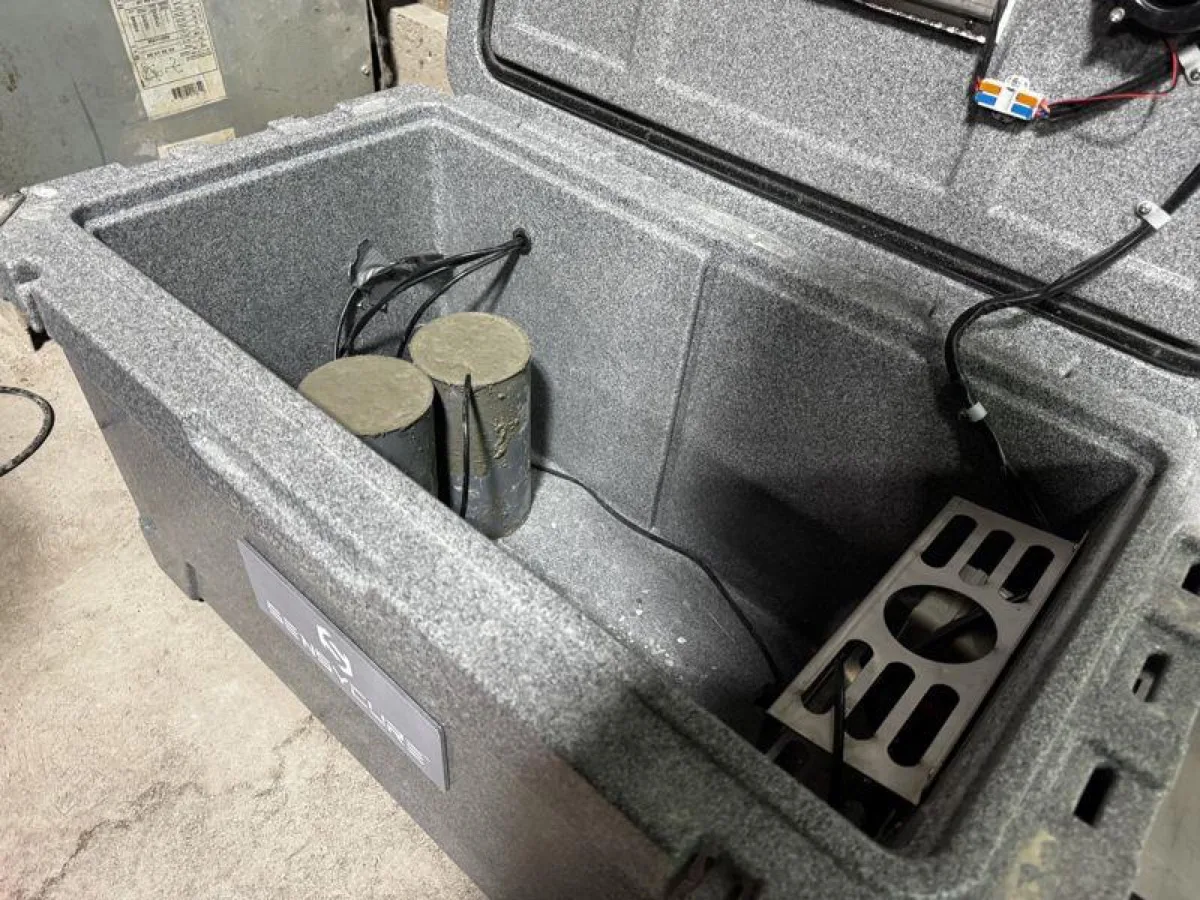
SensyCure chamber with test cylinders inside during the overnight cure.
Day 2: The Controlled Head-to-Head
For Day 2, the variables from Day 1 were controlled. The SensyCast reference probe and the legacy system's Type K thermocouple were placed side by side in the same concrete at the same bed location. SensyCure cylinders were wrapped in plastic to retain moisture. An additional SensyCast probe was placed on the legacy heated molds to independently measure what was actually happening inside them.
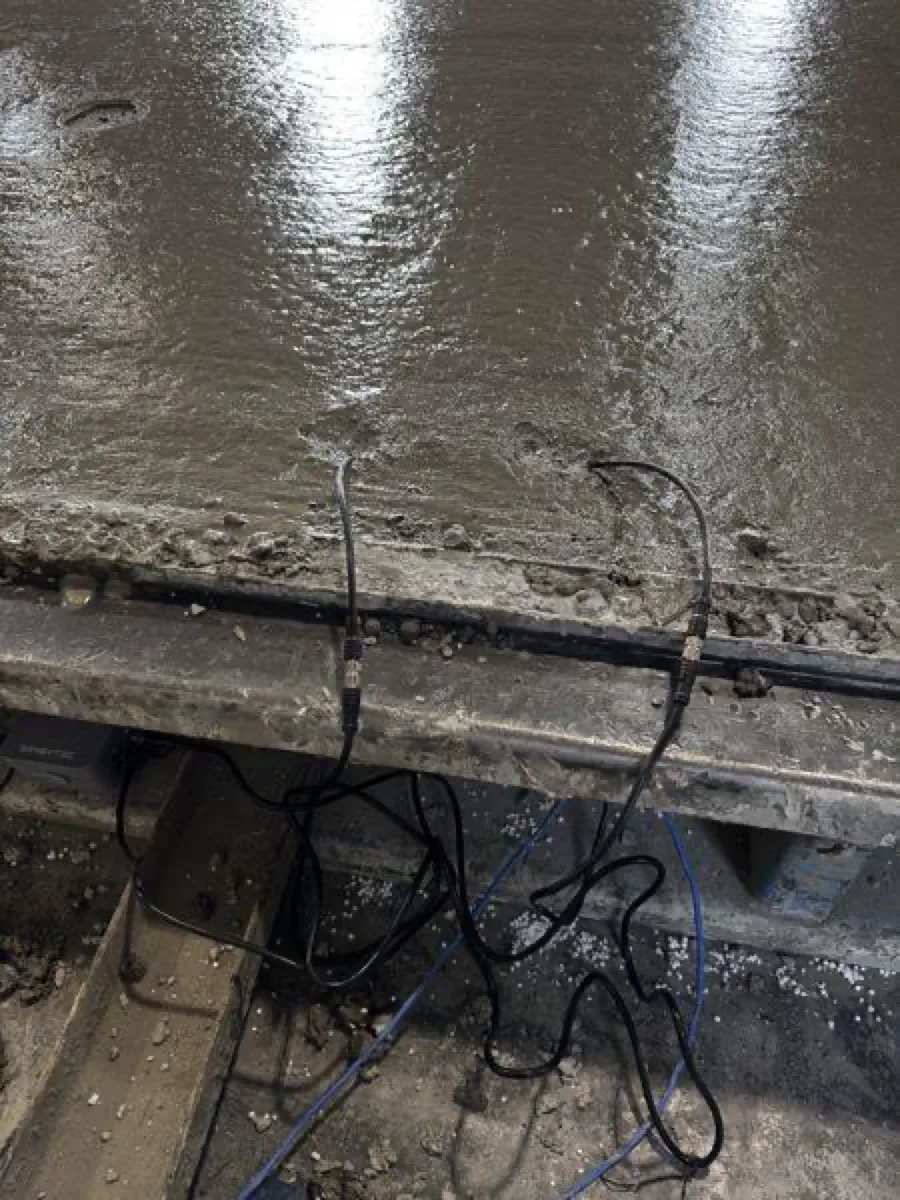
Both systems' probes side by side in the same concrete on the bed.
The temperature story split cleanly. SensyCure tracked the bed from pour to peak. The legacy system did not.
SensyCure: 0.79°F average gap vs bed
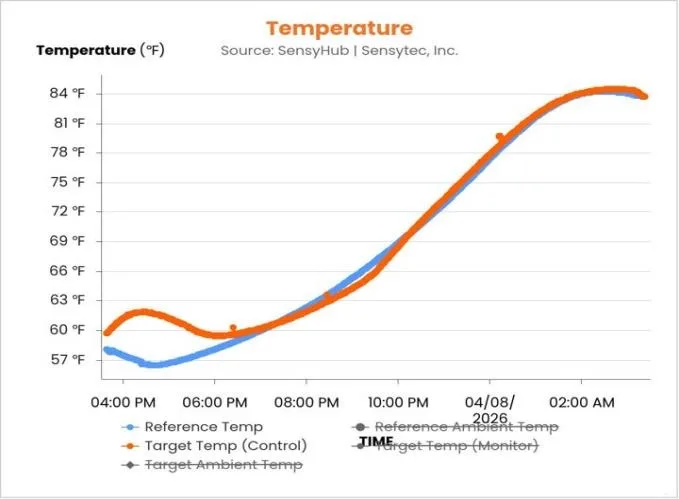
SensyCure cylinder (orange) tracking the bed reference (blue). Peak at 84.5°F vs bed peak 84.3°F.
Legacy system: spiked to 111.7°F while the bed peaked at 84.3°F
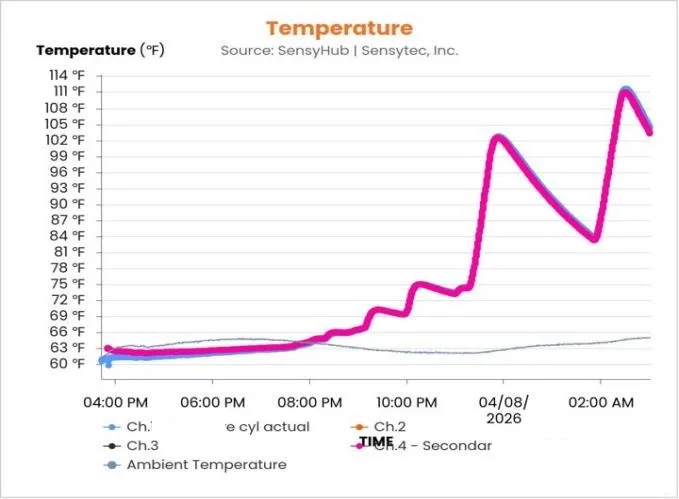
Legacy cylinder (pink) heated to 111.7°F , 27.4°F above the actual bed. Independent SensyCast probes on the mold measured this directly.
| Day 2 Metric | SensyCure | Legacy System |
|---|---|---|
| Avg gap vs bed | 0.79°F | 6.8°F above bed |
| Max gap vs bed | 5.4°F | 27.4°F above |
| Time within 1°F of bed | 72.1% | 5.5% |
| Peak cylinder temp | 84.5°F | 111.7°F |
| Maturity match | 101.4% | 108.4% (inflated) |
| Cylinder break (avg of 2) | 3,121 PSI | 3,792 PSI |
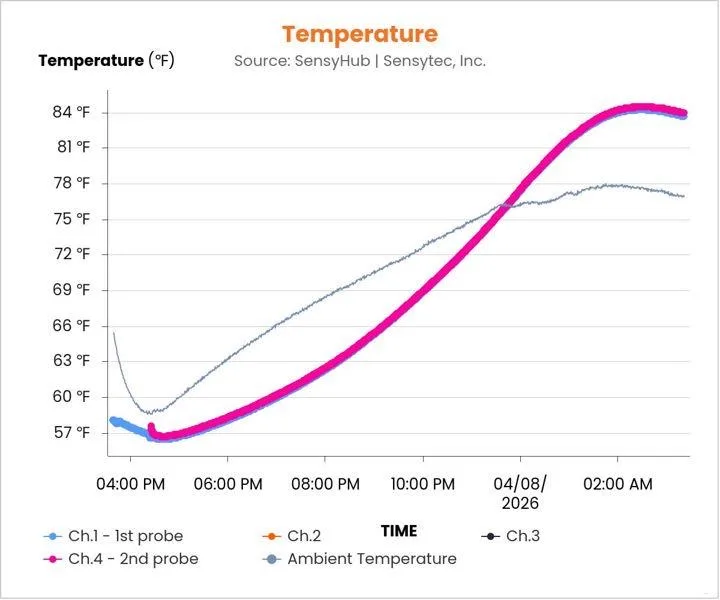
Two independent SensyCast probes on the bed tracking within 0.2°F , confirming the reference measurement was accurate.
Why the PSI Gap Is Misleading
On the surface, the legacy system looks like the winner: 3,792 PSI vs 3,121 PSI. Look closer and that result is an artifact of the mold heating cylinders past the actual bed temperature.
The bed peaked at 84.3°F. The SensyCure cylinder peaked at 84.5°F , a 0.2°F difference. The legacy cylinder peaked at 111.7°F , 27.4°F above what the bed actually experienced. Hotter cylinders accumulate maturity faster than the real concrete does, so their PSI numbers come in higher. But that strength belongs to the over-cured cylinder, not the bed.
The risk
A different temperature history needs review before a break is interpreted as release evidence. On Day 2, the SensyCure cylinder average was 3,121 PSI against the planned 3,500 PSI threshold. A cylinder break does not directly measure panel strength; QC evaluates the records and authorizes release under the approved procedure.
Why Legacy Systems Drift
Two contributors showed up in the trial:
1. Heated-mold control can't follow a flat bed
In the compared Day 2 installation, the legacy-system cylinder peaked at 111.7°F while the bed reference peaked at 84.3°F. This observation describes that system and trial configuration, not every heated-mold product.
2. Thermocouple placement can bias the reference
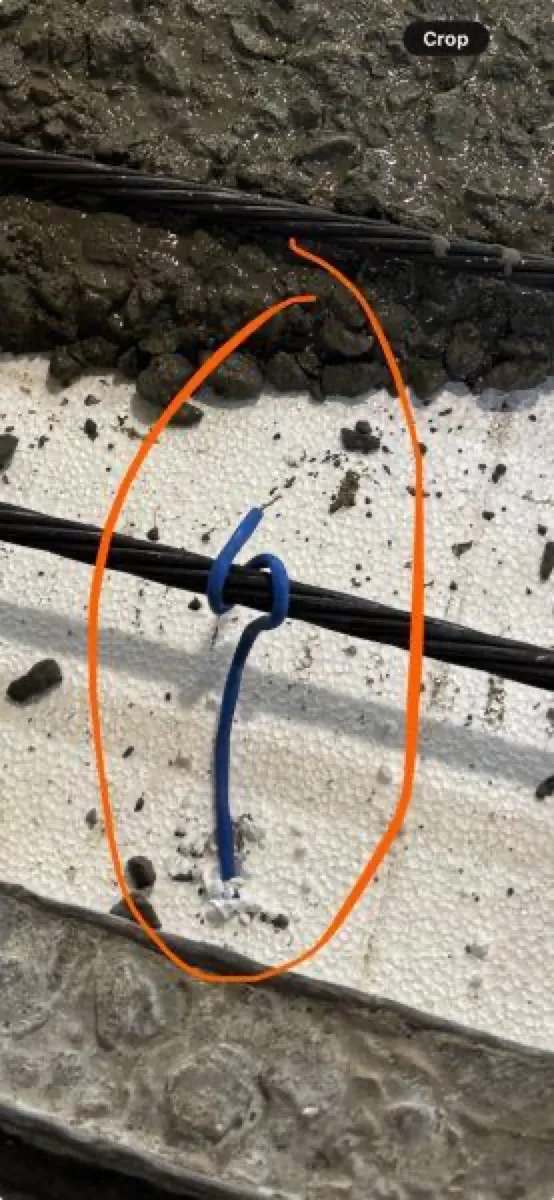
Legacy system thermocouple wrapped around a prestressing strand at an insulation boundary.
Reference placement and contact with steel or insulation boundaries deserve review. Two nearby probes agreed within 0.2°F in this trial; agreement alone does not establish an unbiased reference or replace calibration verification.
How SensyCure Solves It
SensyCure connects a SensyCast sensor in the concrete with a temperature-controlled chamber. Review the measured cylinder and bed histories to evaluate tracking; results depend on placement, moisture retention, configuration and trial conditions.
Temperature control supports a review of representative cylinder curing alongside break results and release criteria. Similar temperature histories do not guarantee identical strength in a cylinder and the panel.
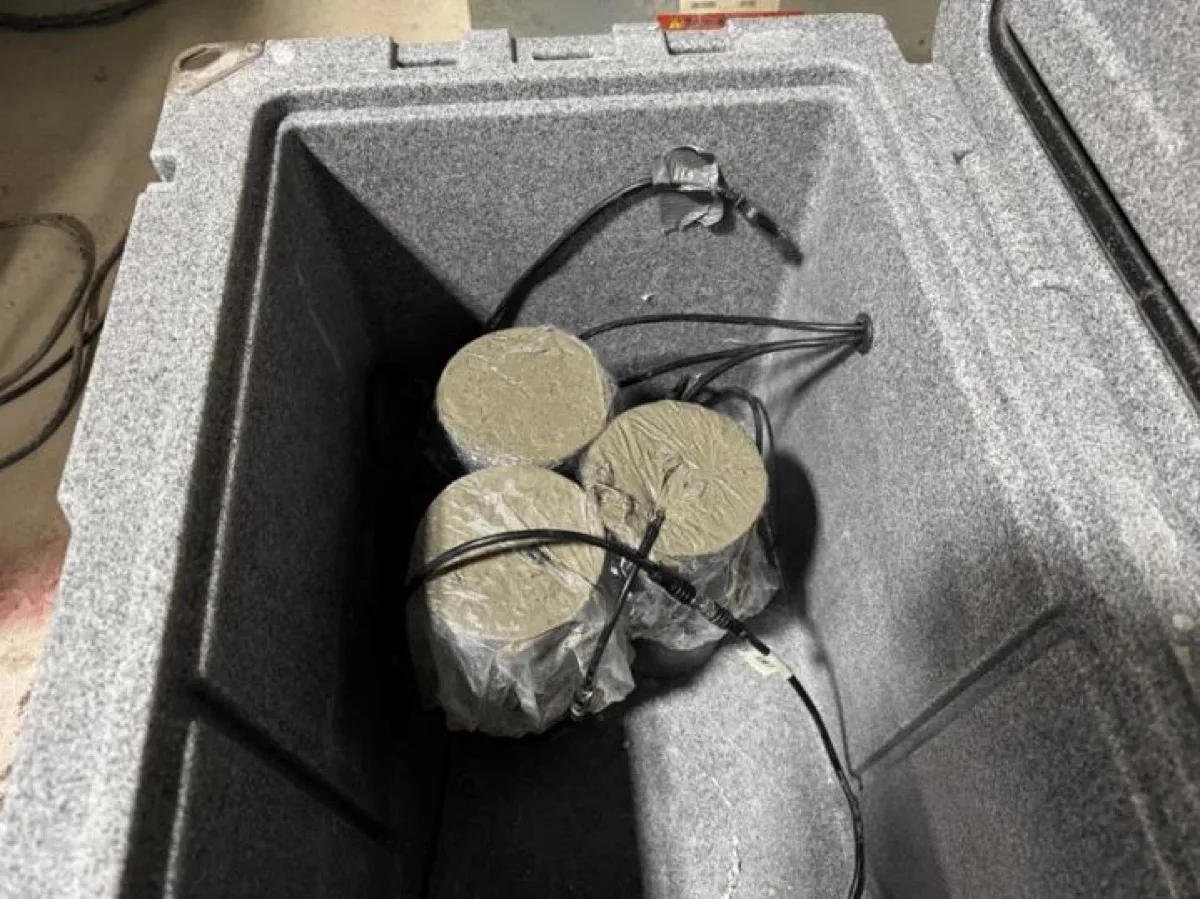
SensyCure chamber with three capped cylinders matching the bed temperature.
What This Means for a Precast Plant
1. Release decisions are only as accurate as the cylinder.
If the cylinder cures hotter than the bed, the plant can release a bed that hasn't actually reached release strength. That's a QC and safety risk that doesn't show up in the PSI number.
2. Higher PSI isn't always better.
A system that consistently produces inflated breaks is easy to like in the short term. It also masks production issues you'd rather catch: cold-weather slow-downs, mix inconsistencies, heating problems in the bed itself.
3. Temperature accuracy is verifiable.
Two Sensytec probes on the bed tracking within 0.2°F of each other gives you a reference you can defend , in audits, in DOT submissions, and in litigation years later. The data record stands on its own.
Conclusion
On Day 2, SensyCure recorded a 0.79°F average gap and a 5.4°F maximum gap, versus a 6.8°F average and 27.4°F maximum gap in the compared system. Setup differed between the two days. Review temperature data, moisture retention and break results under the approved procedure; these results do not establish a universal tolerance.
Frequently Asked Questions
What is match-cure accuracy and why does it matter?
Match-cure tracking describes the difference between the cylinder temperature history and the bed reference. Review that difference, moisture retention and break results before using companion cylinders as evidence under the approved procedure.
How accurately did SensyCure track the bed in this trial?
Day 1 had a 0.69°F average gap. On Day 2, the average gap was 0.79°F, the maximum was 5.4°F and time within 1°F was 72.1%. These observations describe this trial, not a guaranteed tolerance.
Why did the legacy match-cure system produce higher break strengths?
On Day 2, the compared system recorded a 6.8°F average gap and a 27.4°F maximum gap above the bed. Its cylinder-break average was 3,792 PSI versus 3,121 PSI for the SensyCure cylinders. Different thermal histories need review; these breaks do not directly measure panel strength.
What is the risk of using an inaccurate match-cure system for release decisions?
A different curing history can make a cylinder break unrepresentative release evidence. QC must review the reference, curing, test results and approved criteria before authorizing detensioning or lifting.
How does SensyCure control companion-cylinder temperature?
SensyCure uses a reference measured in the concrete to adjust the companion-cylinder environment. Review actual temperature histories, moisture retention and trial configuration; perfect tracking or identical panel strength is not implied.
How was bed temperature verified in the trial?
Two nearby SensyCast probes in the same concrete agreed within 0.2°F during Day 2. Agreement supports reference review but does not by itself establish absolute accuracy or replace calibration verification.
Related Case Studies
See SensyCure on Your Bed
Schedule a trial at your precast plant and see the accuracy for yourself.
Plan a Winter Match-Cure Trial